Are Receipts Toxic? What Moms Need to Know About BPA in Receipt Paper
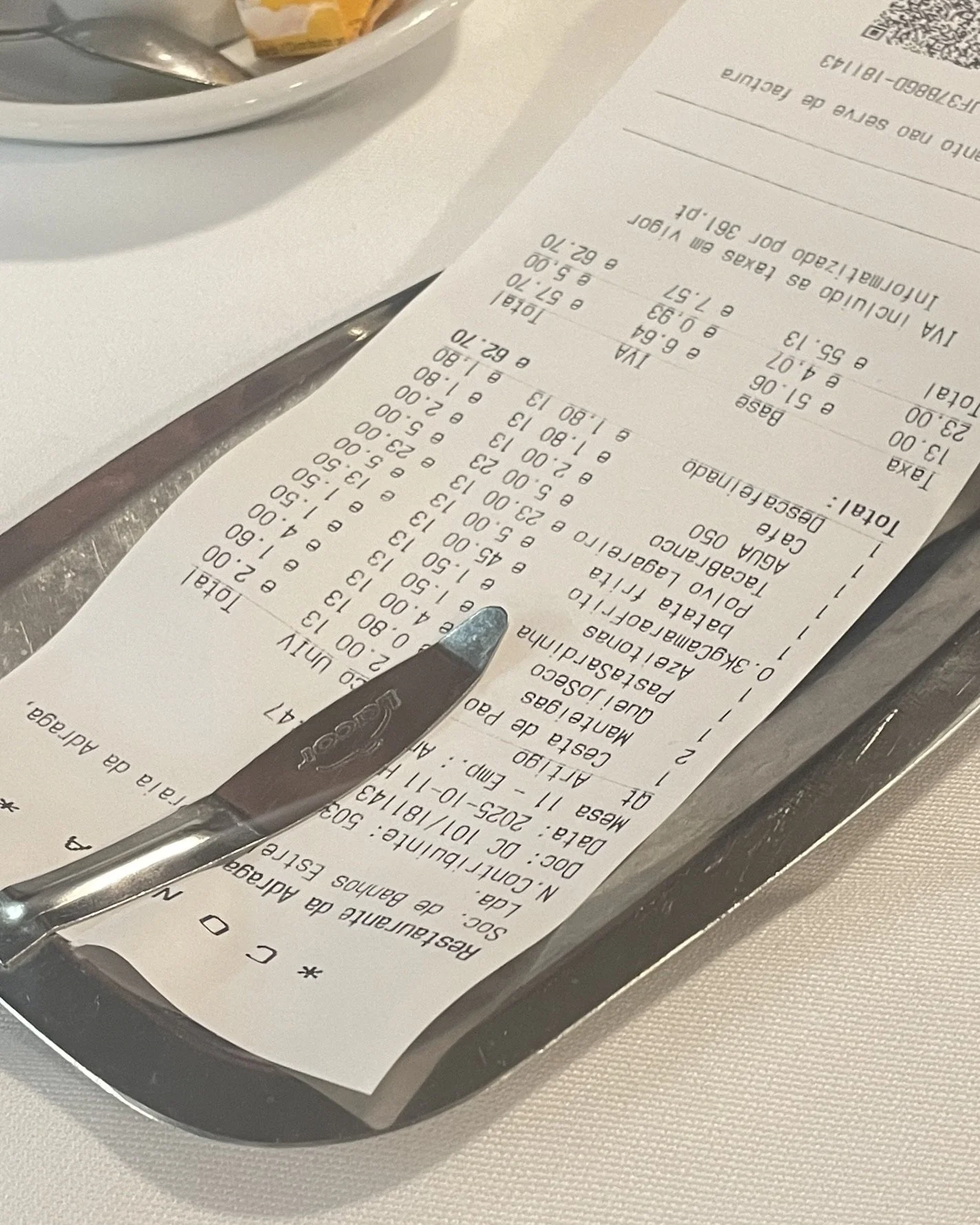
Have you ever grabbed a receipt at Target, tossed it into your purse, and then suddenly remembered something you saw on Instagram about receipt paper being “toxic”?
Cue the mental spiral.
Wait. Did I just touch BPA? Should I have washed my hands? What if my kids touch it? How long has that receipt been sitting in my bag? And why does everything seem to have a warning label these days?
If you have found yourself wondering whether receipts are toxic, you are definitely not alone.
There is actually a legitimate reason this topic keeps coming up in the low-tox world. Many receipts are made from thermal paper, which can contain chemicals called bisphenols, including BPA and BPS. These chemicals have been studied because of their potential effects on the endocrine system.
But, as is so often the case with low-tox living, how much you are exposed to matters.
Touching a receipt once or twice a week is very different from handling hundreds of receipts every day as part of your job. And neither situation exists in a vacuum. We are exposed to chemicals from many different sources throughout our lives, which is why I care much more about reducing unnecessary, repeated exposures than creating a giant list of things you are now afraid to touch.
So, let's talk about what is actually going on with receipt paper, who may want to pay closer attention, and what you can realistically do about it.
What Is Thermal Receipt Paper?
First, let's talk about that weird receipt paper you have probably handled a thousand times.
If you have ever noticed that a receipt feels soft, smooth, or slightly powdery compared with regular paper, you were probably holding thermal paper.
Thermal paper does not use traditional ink in the same way that your printer at home does. Instead, the paper is coated with chemicals that react when exposed to heat. When the thermal printer heats specific areas of the paper, the coating changes color and creates the words and numbers you see on your receipt.
And receipts aren't the only place you will find thermal paper.
It can also be used for things like:
Cash register receipts
ATM receipts
Boarding passes
Movie or event tickets
Shipping labels
Some fax paper
Other printed tickets and labels
Historically, BPA was commonly used as a color developer in thermal paper. More recently, manufacturers have moved toward alternatives, including BPS and other chemical developers.
And this is where things get a little more complicated.
Is There BPA in Receipt Paper?
Sometimes.
BPA, or bisphenol A, has been widely used in plastics, food-contact materials, thermal paper, and other products. It is also an endocrine-active chemical, meaning it can interact with the body's hormone system.
Research has found that BPA can transfer from thermal paper onto the skin when the paper is handled. The amount of exposure can depend on things like the type of paper, how long and how often it is handled, and the condition of your skin.
But here is the part that often gets lost online:
Not every receipt contains BPA.
And a receipt that does contain a bisphenol does not automatically mean that touching it once is going to cause you harm.
In fact, testing of receipts from the U.S. market has found that BPS is now much more common than BPA in the thermal receipts tested, with BPA detected in only a small percentage of the samples in that particular study.
Which brings us to the next question.
Is BPS Safer Than BPA?
This is one of those situations where I wish the answer were really simple.
You may have heard that companies started replacing BPA with BPS because BPS is “BPA-free.” Technically, a product can be free of BPA while still containing another bisphenol.
BPS, or bisphenol S, is chemically different from BPA, but it belongs to the same broader family of chemicals. Researchers have raised concerns about BPS because it may also have endocrine activity, and occupational studies have found higher urinary BPS levels among cashiers who frequently handle thermal paper.
That is why I don't love the phrase “BPA-free” as the end of the conversation.
It can be useful information, but it does not necessarily mean “chemical-free” or “risk-free.”
At the same time, I also don't think the answer is to walk around terrified of every receipt you touch.
This is where grace in the grey comes in.

Are Receipts Actually Toxic?
This is probably the question you really came here to have answered.
The short answer is: thermal receipts can be a source of exposure to bisphenols, but your occasional contact with a receipt is not something I would lose sleep over.
Bisphenols are well studied, and research has associated exposure with a variety of potential health effects, particularly around hormone and reproductive function. But exposure is not the same thing as harm, and the amount, frequency, route, and duration of exposure all matter.
This is an important distinction when we talk about environmental chemicals.
If you grab a receipt at the grocery store twice a week, that is a very different exposure pattern from someone who works at a checkout counter eight hours a day and handles hundreds of receipts.
Research in cashiers has found higher urinary BPA or BPS levels in some occupational settings, which is one reason frequent workplace exposure deserves more attention than occasional consumer contact.
And when we look at overall BPA exposure, food is an important source for the general population. Reviews of BPA exposure have found that dietary exposure generally contributes more than many non-food sources, including thermal paper, for most groups studied.
So no, I don't think your receipt from Target needs to become the villain of your Tuesday afternoon.
Why Does Cumulative Exposure Matter?
One of the biggest things I wish more people understood about low-tox living is that context matters.
There is growing research around low-level exposure to environmental chemicals and potential health effects. That is worth paying attention to.
But it doesn't mean every individual exposure is equally important.
Think about the difference between:
Occasional exposure: You touch a receipt at the grocery store, put it in your purse, and forget about it.
versus
Repeated exposure: You handle thermal paper for hours every day, five days a week, for years as part of your job.
Those are not the same situation.
When I think about reducing environmental exposures in my own home, I am much more interested in the things that happen over and over again.
The products we use every day.
The food we eat regularly.
The air we breathe in our homes.
The personal care products we apply to our bodies over and over.
The materials we are in contact with constantly.
That is where small changes can really add up over time.
You don't have to eliminate every possible exposure to make meaningful choices for your family.
Who Should Be Most Concerned About Receipt Paper?
If you are a mom who touches a receipt once in a while, I would put this pretty low on your list of things to stress about.
But if you work with thermal paper every day, this becomes a more relevant conversation.
Cashiers and Retail Workers
Cashiers can handle a lot of receipts during a single shift. Studies have specifically looked at occupational exposure to BPA and BPS through thermal paper and have found evidence that frequent handling can contribute to exposure.
If you are handling thermal receipts all day, every day, reducing direct skin contact may be a reasonable precaution.
Depending on your workplace and responsibilities, options may include:
Using gloves or finger cots when practical
Washing your hands before eating
Avoiding unnecessary handling of receipts
Keeping food and drinks away from receipt-handling areas
Asking whether your workplace uses phenol-free thermal paper
Of course, workplace policies and safety requirements come into play here, so do what is realistic for your specific job.
Should You Stop Touching Receipts?
Nope.
At least, I don't think most people need to.
This is where the internet can take a reasonable piece of information and turn it into a full-time anxiety hobby.
You do not need to panic because your toddler picked up a receipt.
You do not need to throw away every receipt currently living in your junk drawer.
You do not need to wash your hands immediately every time someone hands you a receipt.
And you definitely do not need to replay every receipt you have touched over the last ten years and wonder if you have somehow “messed up.”
We are looking for reasonable ways to reduce unnecessary exposure, not trying to live in a chemical-free bubble.
Because, honestly, that bubble does not exist.
Simple Ways to Reduce Exposure to Receipt Paper
If you want to make a few easy changes, these are the ones I would focus on.
1. Say No to Receipts You Don't Need
This is probably the easiest swap of all.
If you are buying a coffee and don't need a receipt, just skip it.
If you need the receipt for a return, reimbursement, business expense, or your records, obviously keep it.
There is no prize for having the longest receipt collection in your purse.
2. Choose Digital Receipts
When a store offers an email or digital receipt, you can choose that option instead of taking the paper copy.
This isn't something you have to do every single time, but it is an easy way to reduce unnecessary contact when it is convenient.
3. Wash Your Hands Before Eating
This is especially helpful if you have been handling a lot of paper.
And let's be honest, this is pretty good advice for a whole bunch of reasons that have nothing to do with BPA.
If you are running errands and then sitting down for lunch, washing your hands before you eat is a simple habit that makes sense.
4. Don't Let Receipts Become a Toddler Toy
This one is mostly for the moms.
If your toddler grabs a receipt out of your purse and plays with it for thirty seconds, you do not need to panic.
But if you have the choice between handing your baby a receipt or a toy while you're standing in line, I'd obviously pick the toy.
Not because one receipt is going to cause harm, but because reducing unnecessary exposure is a reasonable goal when it is easy to do.
5. If You Handle Receipts All Day, Take Extra Precautions
This is where I would put more attention.
If your job involves handling thermal paper for hours each day, consider ways to reduce direct skin contact and follow your workplace's safety guidance. Gloves or finger cots may be worth considering when practical.
Occupational exposure is different from the occasional receipt you receive while running errands, and research specifically supports paying attention to frequent thermal-paper handling.
What About All the Other “Toxic” Exposures We Hear About?
This is actually the bigger conversation I want to have.
Because receipts are just one example of something that can send moms into an anxiety spiral.
Maybe it's BPA.
Maybe it's microplastics.
Maybe it's the fragrance in your Uber.
Maybe it's the cleaning aisle at Target.
Maybe it's the candle you burned last Christmas.
Maybe it's the plastic container your leftovers were in.
And suddenly you're sitting there wondering if you have accidentally poisoned your entire family.
Please take a breath.
Are environmental exposures worth thinking about? Yes.
Is there growing research into how long-term exposure to certain chemicals may affect human health? Yes.
But social media often removes all of the nuance because “this exposure exists and the risk depends on dose, frequency, and duration” does not perform nearly as well as “THIS THING IN YOUR HOME IS POISONING YOUR CHILDREN.”
Fear gets clicks.
Fear gets shares.
Fear sells products.
And I don't want my content to make you afraid of your own house.
Instead, I want you to feel like you have options.
Where I Would Focus My Low-Tox Efforts First
If you are feeling overwhelmed by everything you could change, I would not start with receipts.
I'd start with the areas that are part of your everyday life.
1. The Things You Eat and Drink
Food is an important route of exposure to BPA and other chemicals, so looking at things like food packaging and storage can be a practical place to start.
You don't need to throw out your entire kitchen overnight.
Maybe you start by using glass or stainless steel for the foods you store most often.
Maybe you reduce how often you rely on canned foods when there is an easy alternative.
Maybe you simply stop microwaving food in plastic.
Pick one thing.
2. The Air in Your Home
We spend a lot of time inside our homes.
Instead of obsessing over every possible chemical exposure, focus on simple things that support better indoor air quality.
Open the windows when weather allows.
Dust regularly.
Vacuum.
Skip unnecessary home fragrances if you are trying to reduce fragrance exposure.
You don't need to turn your house into a sterile laboratory.
3. The Personal Care Products You Use Every Day
Look at the products that go directly onto your body on a regular basis.
Your lotion.
Your shampoo.
Your body wash.
Your deodorant.
Your makeup.
Your fragrance.
You don't have to replace everything at once. Start with the things you use every single day and make swaps gradually as you run out.
That is much more sustainable than throwing away half your bathroom because an Instagram reel told you that everything you own is toxic.
The Goal Is Not to Eliminate Every Exposure
This is probably the biggest takeaway I want you to leave with.
Low-tox living isn't about creating a perfectly toxin-free life.
Because that is not possible.
And trying to achieve it can quickly become exhausting, expensive, and honestly, pretty anxiety-inducing.
The goal is to reduce unnecessary exposures where you reasonably can.
That's it.
If you can say no to a receipt you don't need, great.
If you choose a digital receipt, great.
If you work with receipts all day and decide to wear gloves, great.
If you touched a receipt yesterday and didn't think twice about it, also great.
You haven't failed.
You don't need to start over.
You don't need to “detox” because you handled a receipt at the grocery store.
You just keep making the next reasonable choice.
A Quick Reminder About “Always” and “Never”
Whenever you see someone online say you should ALWAYS do something or NEVER do something, I want you to pause.
Ask yourself:
How much exposure are we actually talking about?
How often does it happen?
Is this something I am exposed to once in a while or every single day?
Is there an easy way to reduce it without making my life harder?
Those questions can help you separate meaningful changes from things that are simply going to make you afraid.
Because I don't want you living in fear of your grocery receipt.
I want you to feel empowered to make informed choices.
There is a huge difference.
Final Thoughts: It's About Being Intentional, Not Perfect
So, are receipts toxic?
Thermal receipt paper can contain bisphenols such as BPA or BPS, and those chemicals can transfer to the skin. Research suggests that frequent occupational handling can be a more meaningful source of exposure than the occasional receipt most of us encounter while shopping.
That makes it a perfectly reasonable thing to be aware of.
But it is not something I want you losing sleep over.
If you don't need a receipt, decline it.
If a digital receipt is available, use it.
Wash your hands before eating.
If you handle thermal paper all day for work, take reasonable steps to reduce your exposure.
And then move on with your life.
Seriously.
There are so many things competing for our attention as moms. Our kids need dinner. Someone lost a shoe. The laundry has somehow multiplied overnight. You have answered approximately 47 questions before 9 a.m. and your coffee is cold again.
You do not need to spend your day worrying about the receipt sitting in your purse.
Low-tox living, at least the way I see it, is about playing the long game.
It is about making small changes that lower unnecessary exposure over time. It is about looking at the things you use, eat, breathe, and come into contact with regularly and asking where a simple swap makes sense.
You don't have to do everything.
You don't have to replace all of your furniture.
You don't have to throw away everything in your pantry.
And you certainly don't have to panic every time you see a new “toxic things you need to stop doing immediately” list on Instagram.
Awareness over anxiety.
Progress over perfection.
There is so much grace in the grey.
And yes, next time the cashier asks if you want a receipt, you can totally say, “No thanks.”