Natural Tick Prevention for Families: Low-Tox Ways to Help Protect Your Kids, Pets, and Yard

Natural tick prevention for families: what we actually use at home
If you've spent any amount of time outside lately, you've probably heard someone say it:
"The ticks are awful this year."
Honestly? They're not wrong.
Between backyard playdates, summer hikes, baseball games, gardening, and kids who somehow manage to find the tallest patch of grass within a ten-mile radius, ticks seem to be showing up everywhere.
And if you're anything like me, you've probably found yourself wondering:
How can I help protect my family from ticks naturally?
Do low-tox tick prevention methods actually work?
What can I use around kids and pets?
Is there anything practical that doesn't require turning my entire yard into a science experiment?
I get it.
As someone who lives in a heavily wooded area and has spent most of my life in a tick-prone region, tick prevention has become a regular part of our routine. Not because I live in fear, but because I believe in being aware and proactive.
That's the heart of low-tox living for me.
Not panic. Not perfection.
Just making intentional choices where we can.
Today, I want to walk you through exactly what we do at our house, the products we use, and some simple habits that have become part of our family's tick prevention routine.
SHOP MY FAVS ON MY AMAZON STOREFRONT (and then keep reading!)
Are Ticks Really a Problem Outside of the Woods?
One of the biggest misconceptions I hear is that ticks only live deep in the forest.
Unfortunately, that's not really the case.
Ticks can be found in:
Backyards
Playgrounds
Garden beds
Wooded property lines
Tall grass
Leaf piles
Parks
Hiking trails
Areas where wildlife frequently travels
In other words, you don't have to be deep in the wilderness to encounter them.
Not every tick carries disease, and not every tick bite leads to illness. But ticks can carry a variety of infections, which is why many families choose to be proactive about prevention.
The goal isn't to live scared.
The goal is simply to reduce exposure where it makes sense.
What Is the Best Natural Tick Prevention for Your Yard?
When people ask me where to start, I almost always recommend focusing on the yard first.
Why?
Because that's where many families spend the majority of their outdoor time.
If your kids are outside every day, creating a less tick-friendly environment can make a huge difference.
Cedar Granules
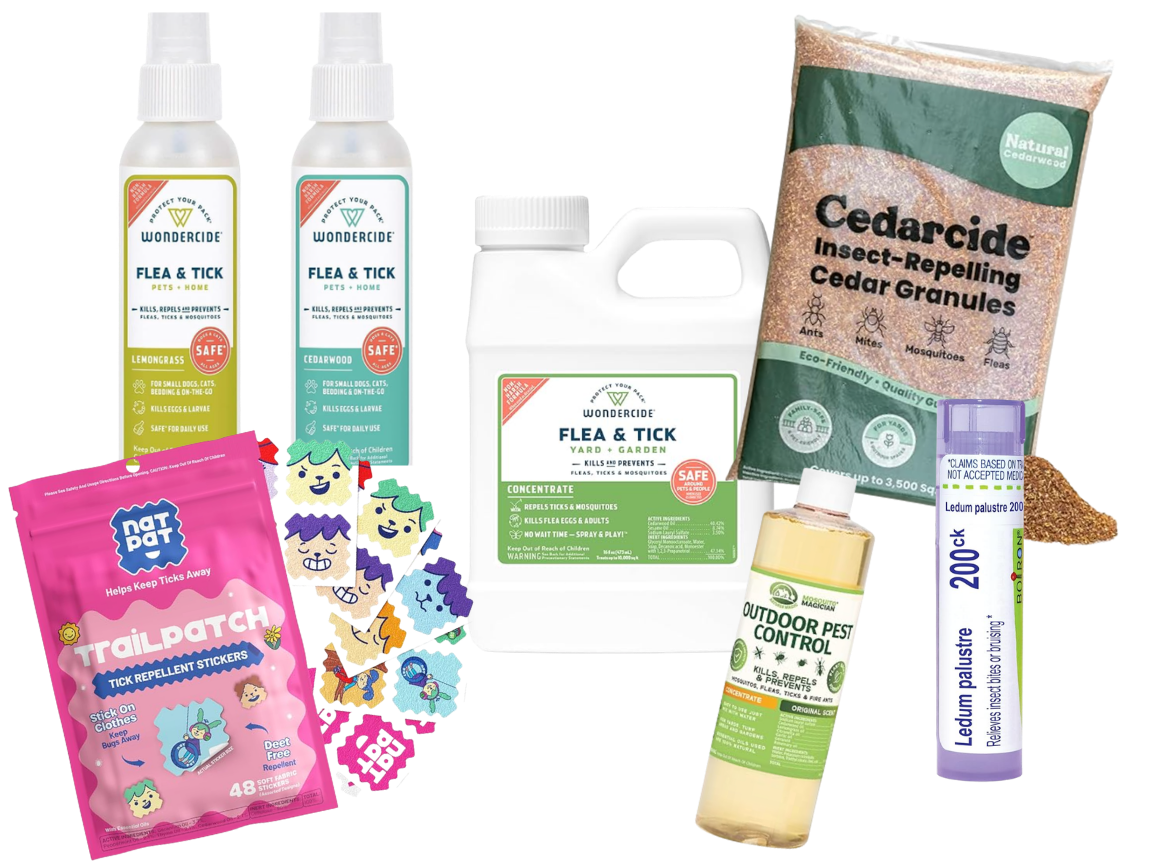
One of our favorite tools is cedar-based yard treatment.
Ticks generally dislike cedarwood oil, which is why we use cedar granules around our property.
We spread them:
Around our playground
Along wooded areas
Around patios
Near fences
Around garden beds
In landscaping areas
You can even add them to planters and other outdoor spaces.
We typically reapply every 4-6 weeks during peak tick season.
I love this option because it's simple, family-friendly, and easy to incorporate into regular yard maintenance.
Tick-Friendly Habitat Reduction
This isn't glamorous advice, but it works.
Ticks thrive in environments that give them moisture, shade, and places to hide.
Some simple yard maintenance practices include:
Keeping grass trimmed
Cleaning up leaf piles
Removing brush when possible
Creating separation between wooded areas and play areas
Keeping playground equipment away from dense vegetation
Again, this isn't about creating a perfect yard.
It's about making your outdoor spaces a little less attractive to ticks.
What Natural Tick Spray Do We Use?
When it comes to treating larger outdoor areas, we use a natural yard spray.
One we've had success with is a cedar oil-based yard treatment that attaches directly to a garden hose.
My husband actually loves this job because it's incredibly easy.
He hooks it up and sprays:
The playground area
Around trees
Along wooded borders
Around the patio
Around outdoor gathering spaces
The process takes very little time and becomes part of our regular seasonal routine.
How Often Should You Apply Natural Tick Spray?
For us, once a month is usually sufficient during tick season.
However, after significant rainfall, we often reapply sooner.
Every climate and property is different, so your schedule may vary.
The key is consistency.
Natural products often work best when they're used regularly rather than as a one-time treatment.
What Can I Use on My Kids for Tick Prevention?
This is probably one of the most common questions I receive.
As moms, we want protection, but we also want something that feels good about putting directly on our children.
There are several plant-based tick repellents available that can be applied to:
Clothing
Shoes
Outdoor gear
Skin (when labeled appropriately)
We keep a natural tick spray by the door and treat it much like sunscreen.
Before hikes, outdoor adventures, sporting events, or long periods outside, we spray down clothing and gear.
Don't Forget Your Gear
One thing people often overlook is treating items beyond just themselves.
Think about:
Backpacks
Camping gear
Strollers
Blankets
Sports bags
Lawn chairs
Ticks don't care whether they're hitching a ride on your toddler or your camping backpack.
Protecting gear can be just as helpful as protecting people.
Is Natural Tick Prevention Safe Around Pets?
Many pet owners are looking for alternatives or supplemental options for their outdoor spaces.
Natural yard treatments can often be a helpful addition to your overall prevention strategy.
However, every product is different.
Always read labels carefully and follow manufacturer recommendations regarding children, pets, and application instructions.
I know that's not the exciting answer, but it's the responsible one.
Low-tox living doesn't mean ignoring directions. It means being informed and making thoughtful choices.
The Tick Check Habit Every Family Should Have
If I had to pick one thing that has made the biggest difference in our home, it would be this:
We check for ticks.
Every single time.
Okay, maybe not every single time because real life exists, but we try.
And honestly, this habit costs nothing.
Our Favorite Tick-Checking Tool
One of my favorite discoveries has been a tick mitt.
We keep it in our mudroom.
When the kids come inside after playing, I quickly run it over their clothes before they head deeper into the house.
Last summer we actually caught several ticks this way before they ever had the chance to attach.
For busy moms, that's a huge win.
Could you use a lint roller instead?
Absolutely.
Many people do.
For our family, though, the mitt has been worth it because it's quick, reusable, and easy for the kids to tolerate.
Other Easy Ways to Reduce Tick Exposure
Sometimes the most effective habits are also the simplest.
Here are a few things we try to do consistently:
Change Clothes After Spending Time Outdoors
Especially after:
Hiking
Playing in tall grass
Working in the garden
Exploring wooded areas
Getting out of outdoor clothes quickly can help reduce the chance of bringing ticks further into the home.
Shower After Outdoor Activities
This isn't always realistic immediately, especially with kids.
But when possible, showering after significant outdoor exposure can be a helpful habit.
Dry Clothes on High Heat
Many people don't realize that high heat can help kill ticks that may still be on clothing.
When we've spent extended time outdoors, I often toss clothes directly into the dryer before washing.
Check Pets Regularly
Our furry family members often explore places we don't.
Regular tick checks on dogs and outdoor cats can be an important part of prevention.
Can Certain Plants Help Repel Ticks?
While plants alone won't eliminate ticks, some gardeners like incorporating tick-repelling herbs around outdoor living spaces.
Examples include:
Lavender
Rosemary
Mint
Thyme
Marigolds
Garlic
I especially like using these near patios, porches, and container gardens because they serve multiple purposes.
They're beautiful, useful, and potentially helpful as part of a larger tick prevention strategy.
Plus, if you're anything like me, adding more flowers is rarely a hard sell.
What Should You Do If You Find a Tick?
Even with prevention, tick bites can still happen.
That's just reality.
Finding a tick doesn't mean you've failed.
It doesn't mean your prevention methods aren't working.
It simply means you spent time outside being a human.
Remove the Tick Properly
The general recommendation is to remove the tick as soon as possible using fine-tipped tweezers.
Pull straight upward with steady pressure.
Avoid twisting or crushing the tick during removal.
Afterward:
Clean the area thoroughly
Wash your hands
Monitor the bite site
Contact your healthcare provider with concerns
Some families also choose to save the tick for identification or testing if recommended in their area.
What We Do After a Tick Bite
Personally, after removing a tick, I clean the area well and continue monitoring it.
Some families choose to incorporate supportive wellness products, herbal protocols, or topical remedies after a bite.
As always, this is an area where it's important to do your own research and work with a trusted healthcare professional if needed.
There is no one-size-fits-all answer, and every family's comfort level is different.
That's part of living in the grey.
Our Favorite Low-Tox Tick Prevention Tools
If you're looking for a simple starting point, here's what we use most often:
Around the Yard
Cedar granules
Cedar oil-based yard sprays
Regular lawn maintenance
Leaf pile cleanup
For People
Natural tick repellent sprays
Tick checks after outdoor play
Tick mitts
Changing clothes after outdoor activities
For the Home
High-heat dryer cycles
Mudroom tick-check station
Regular pet checks
Notice what's not on this list?
Perfection.
Because perfection isn't the goal.
Consistency is.
Why I Don't Believe in Fear-Based Tick Prevention
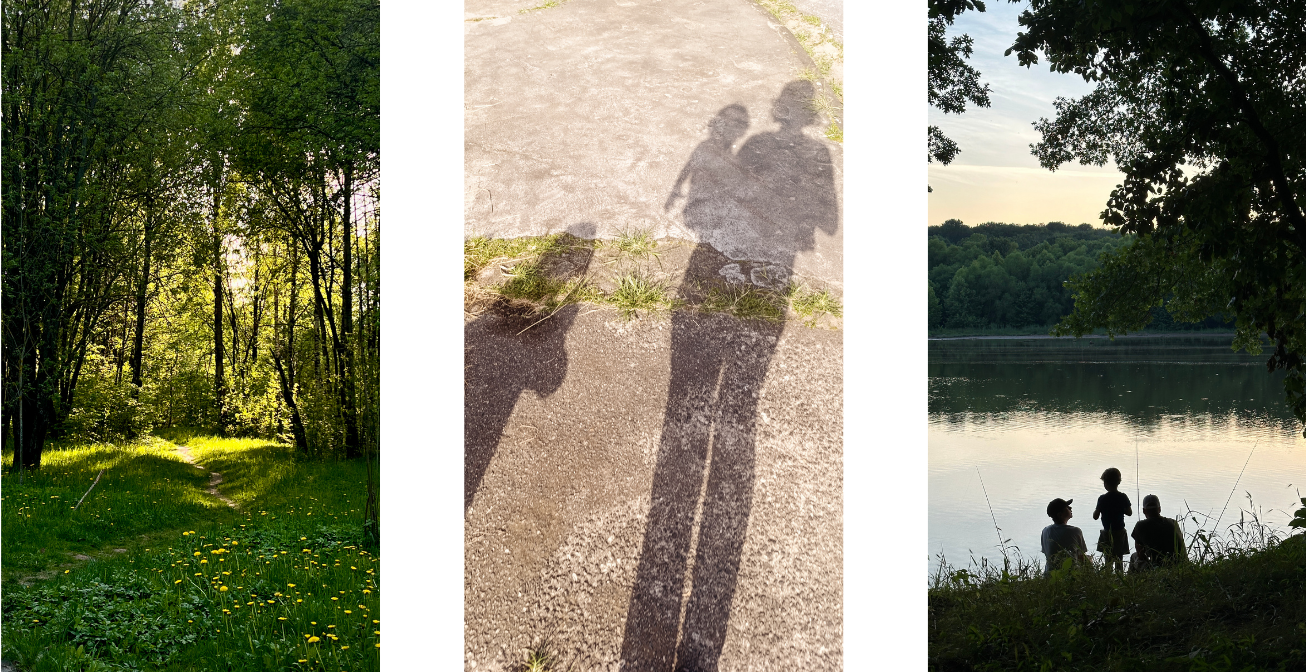
Can I be honest for a minute? One thing that frustrates me about the wellness space sometimes is how quickly education can turn into fear. Suddenly every bug becomes a crisis. Every outdoor adventure becomes dangerous. Every summer memory comes with anxiety attached. That's not how I want to live, and it's definitely not how I want my kids to remember childhood. I want them climbing trees, building forts, running barefoot through sprinklers, exploring nature, getting dirty and making memories.
I just also want to be thoughtful about reducing unnecessary risks where we can. You can love nature and practice prevention. You can be informed without being fearful. That's the sweet spot I try to live in!